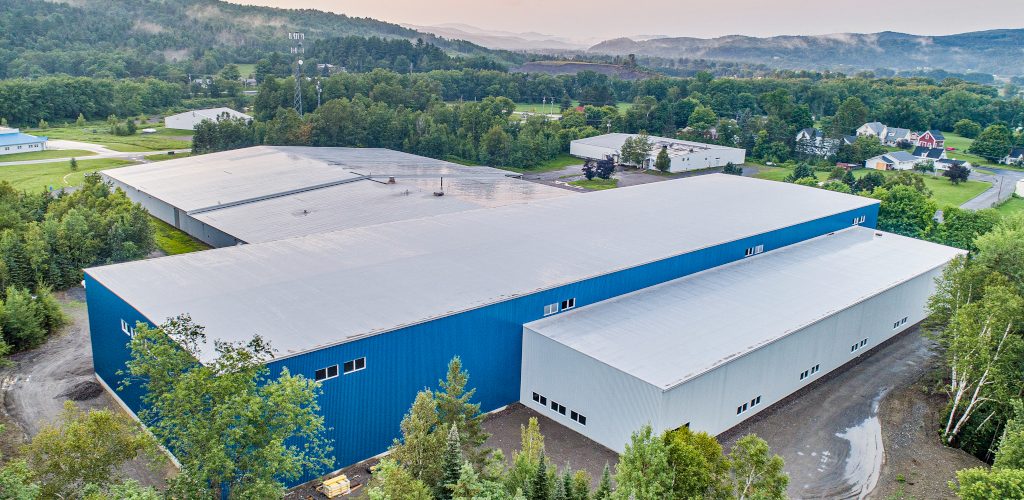
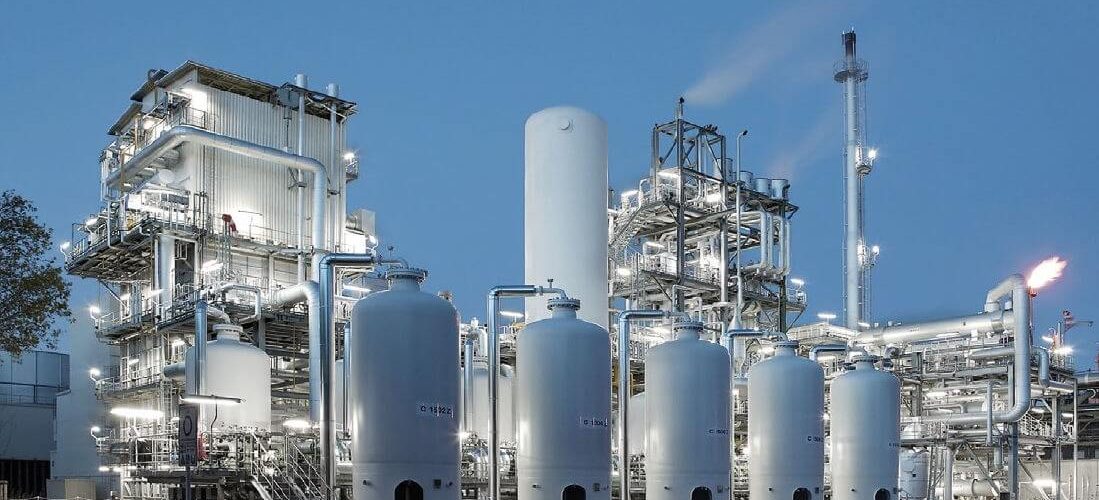
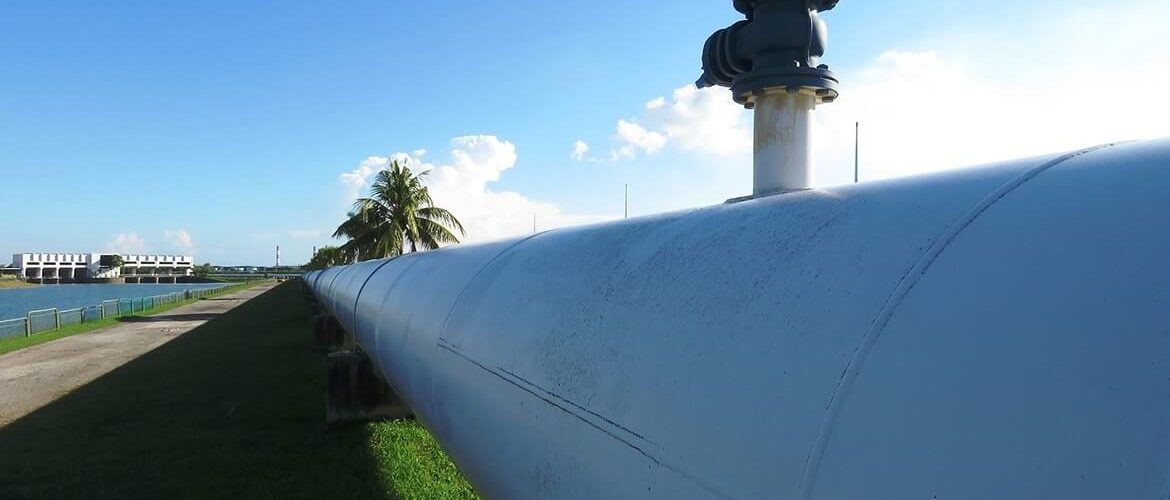
Renco Holdings is in the process of Building a Natural Gas Pipeline for its natural gas tap located on its 17 acre industrial property (Bearsville) located in Colebrook, NH for improved Access to Energy Resources for its Data Center, its two 100,000 s.f. PPE Manufacturing Facilities, industrial clientele, and the Municipality of Colebrook, NH.
The Importance of Building a Natural Gas Pipeline for Improved Access to Energy Resources
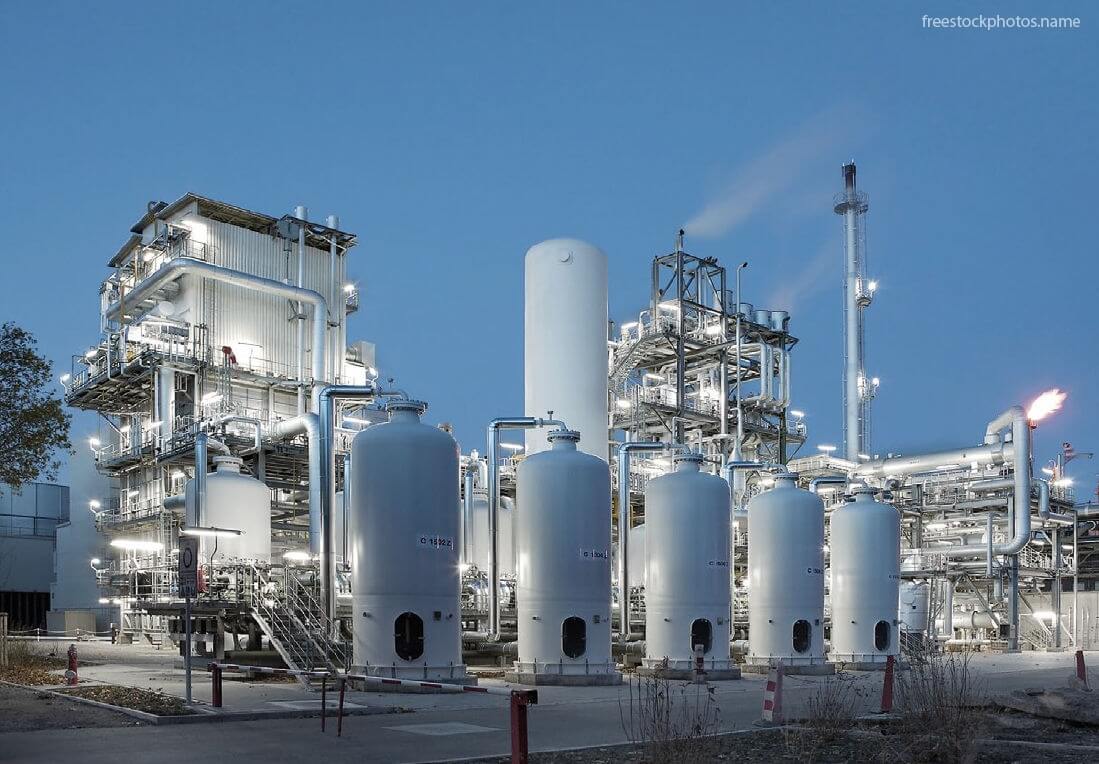
Our natural gas pipeline initiative is crucial for enhancing access to energy resources, addressing economic, social, and environmental challenges while supporting national and regional energy needs. Here’s why our initiative is vital:
1. Enhanced Energy Access
- Reliable Supply: Pipelines ensure a consistent and uninterrupted supply of natural gas to regions where energy is scarce or expensive.
- Energy Equity: Expands access to cleaner energy resources for underserved or remote communities.
- Support for Industries: Provides the energy required for industrial processes, boosting local and regional economies.
2. Economic Growth and Development
Job Creation: Construction and operation of pipelines create employment opportunities in engineering, construction, and maintenance.
Attracting Investments: Reliable energy infrastructure attracts businesses and investments, promoting economic diversification.
Lower Energy Costs: Efficient delivery of natural gas reduces costs compared to other energy sources, benefiting consumers and businesses.
3. Transition to Cleaner Energy
Reduced Emissions: Natural gas burns cleaner than coal or oil, producing less carbon dioxide (CO₂) and pollutants such as sulfur dioxide (SO₂) and nitrogen oxides (NOₓ).
Support for Renewables: Acts as a backup energy source to complement intermittent renewable energy like solar and wind.
4. Energy Security
- Domestic Utilization: Harnessing domestic natural gas reserves reduces dependency on imported energy, enhancing national energy security.
- Regional Integration: Cross-border pipelines foster energy cooperation and interdependence among nations, strengthening geopolitical stability.
5. Cost-Effective Energy Delivery
- Efficiency: Pipelines are the most efficient mode of transporting natural gas compared to trucks or ships, reducing logistics costs.
- Scalability: Pipelines can transport large volumes of gas over long distances with minimal loss.
6. Modernization of Energy Infrastructure
- Technological Advancements: Modern pipelines are equipped with advanced monitoring systems for leak detection and efficient management.
- Infrastructure Upgrade: Supports the shift from aging or inefficient energy systems to modern, sustainable infrastructure.
7. Socioeconomic Benefits
- Energy for Development: Natural gas enables electrification and cooking gas access, improving living standards.
- Health Benefits: Reduces indoor air pollution by replacing biomass or coal for heating and cooking.
8. Strategic Importance
- Support for Economic Zones: Facilitates development in industrial zones by ensuring a steady energy supply.
- Global Market Integration: Connects domestic markets to international trade, enabling the export of surplus gas.
Challenges and Mitigation Strategies
- Environmental Concerns:
- Pipelines may disrupt ecosystems and habitats.
- Mitigation: Conduct environmental impact assessments and use eco-friendly construction practices.
- Community Resistance:
- Local opposition due to land use or perceived risks.
- Mitigation: Transparent communication and fair compensation.
- Safety Risks:
- Risks of leaks or explosions.
- Mitigation: Use advanced technology for monitoring and maintenance.
Conclusion
Our natural gas pipeline initiative is a transformative initiative that enhances energy access, supports economic growth, and accelerates the transition to cleaner energy. With proper planning, stakeholder engagement, and environmental safeguards, such projects can provide long-term benefits for communities, industries, and nations.