

Energy - Saving the Planet

Manufacturing with Clean Energy - Saving the Planet

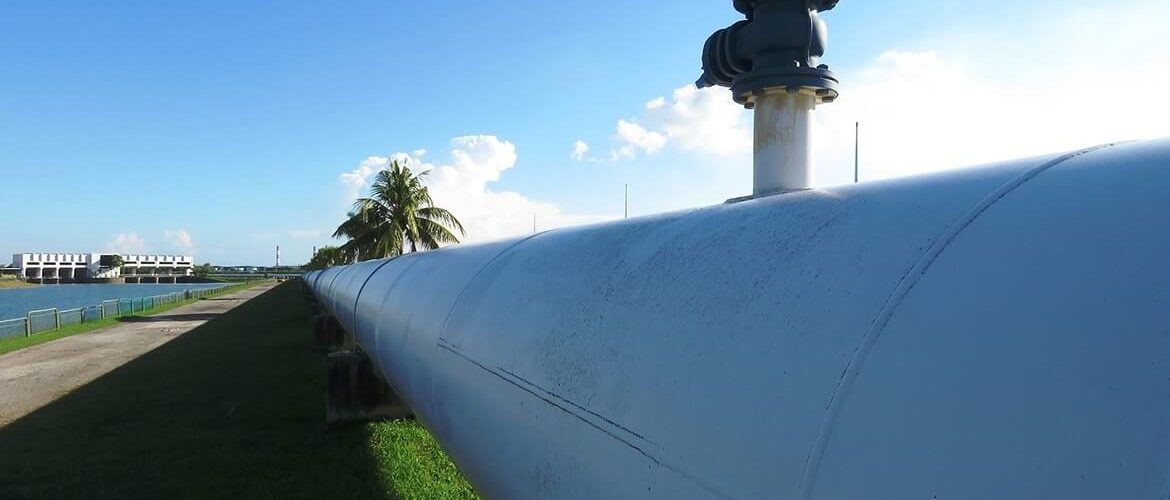
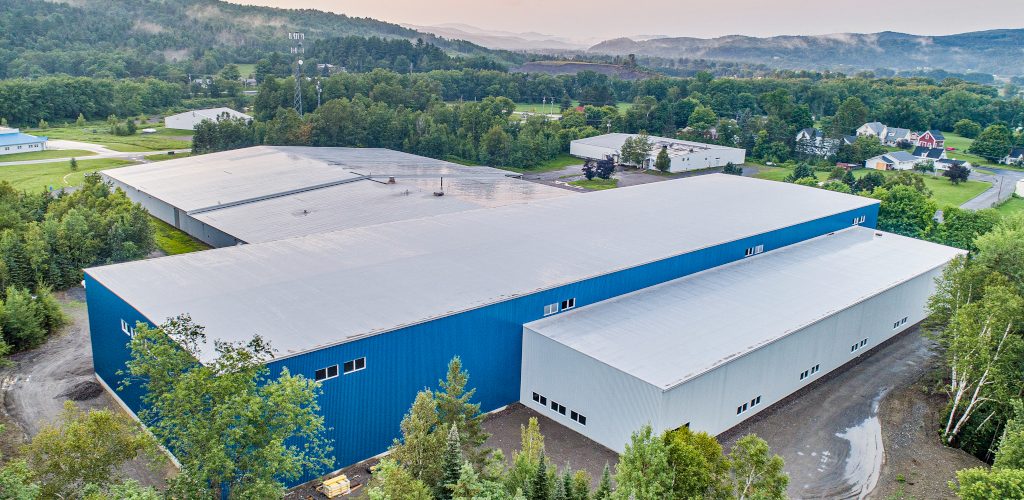
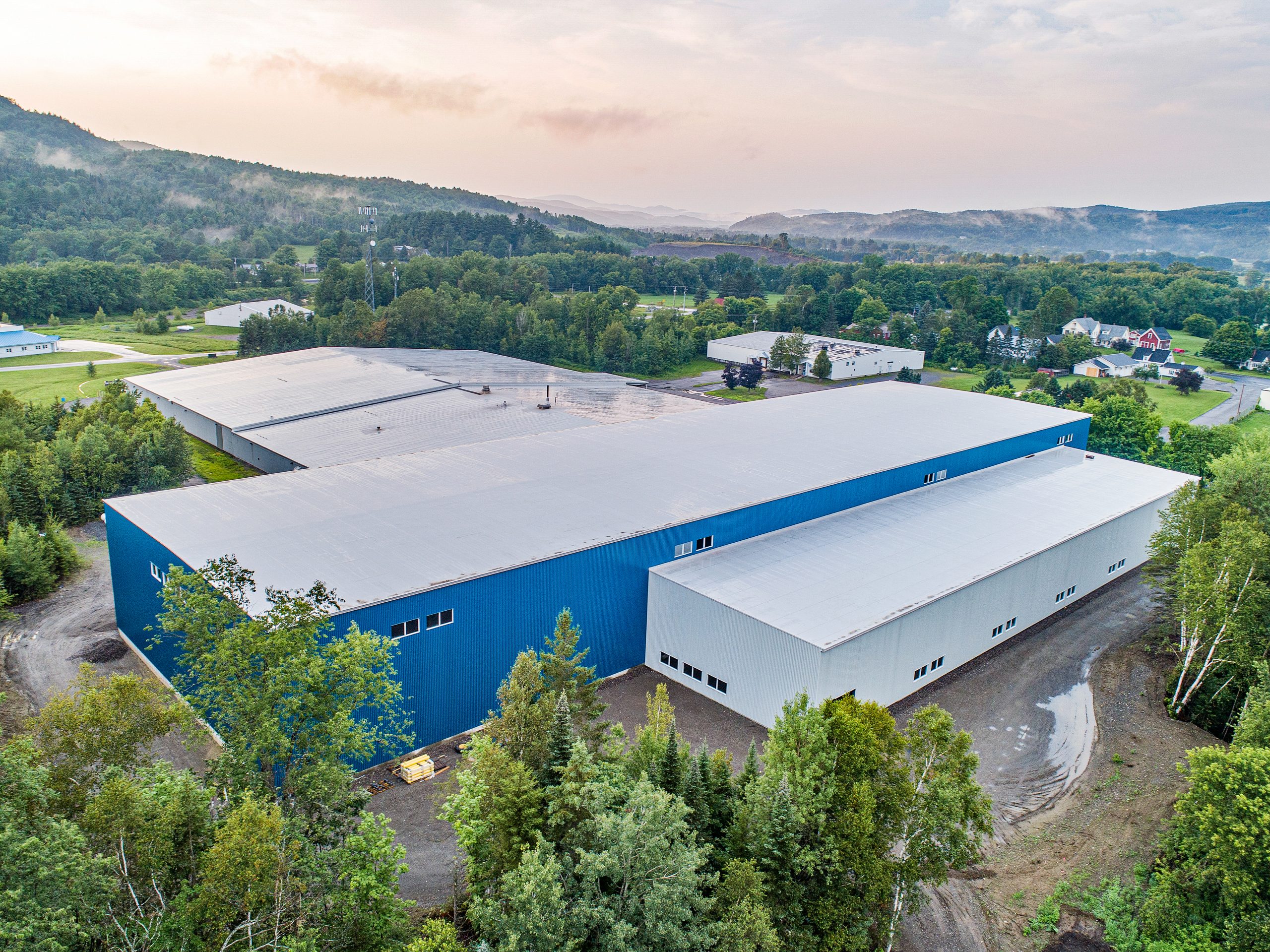
Our Bearsville properties includes 20 Brandy Lee Lane that has a Compressed Natural Gas (CNG) tap enables Renco Holdings Corporation to act as a compressed natural Gas supplier with the gas tap located on a 7 acre abutting 23 Gould St with one building with Rail Access. The $10 Million Tap House on 24” Trans Canada Natural Gas Pipeline Tap House feed to APP glove factory at 75 meters with the Gas Distribution access point under LOI Town Interested in fueling municipal offices and regional school. The property also houses a large Wastewater Basin on site.
Revenue Models
Revenue Generation Models for Compressed Natural Gas (CNG) Taps
Compressed Natural Gas (CNG) taps generate revenue primarily by dispensing CNG to customers such as vehicle fleets, industrial clients, or individual consumers. The revenue models depend on factors like location, target market, pricing strategies, and throughput volume. Common models include direct retail sales, wholesale supply to fleets, franchise partnerships, and service contracts for maintenance and operations. Additional revenue can come from ancillary services such as vehicle retrofitting for CNG use or station branding agreements.
________________________________________
Revenue from Small CNG Taps
Small CNG taps, often standalone operations or small stations, serve local markets and small vehicle fleets. These facilities typically dispense 10,000–50,000 gallons per month. With average retail prices of $2–$3 per gasoline gallon equivalent (GGE), annual revenue ranges from $240,000 to $1.8 million. Revenue depends heavily on location and usage patterns, with small stations relying on high-margin retail sales and local fleet contracts. They may struggle with economies of scale but can sustain profitability by focusing on areas with limited competition.
________________________________________
Revenue from Medium CNG Taps
Medium-sized CNG taps are often located at strategic transit hubs or industrial zones and cater to medium-scale fleets or public transportation systems. These facilities dispense 50,000–200,000 gallons per month, generating annual revenue between $1.2 million and $7.2 million, assuming similar pricing. They benefit from higher throughput, more stable contracts with fleet operators, and the ability to offer competitive pricing. Medium taps often invest in additional storage and faster dispensing systems to handle peak demand efficiently, further driving revenue.
________________________________________
Revenue from Large CNG Taps
Large CNG taps, typically associated with high-volume public stations or industrial hubs, cater to extensive fleets such as municipal buses, logistics companies, or heavy industrial users. These facilities can dispense 200,000–1 million gallons per month, generating annual revenue between $4.8 million and $36 million. Bulk contracts with major operators and advanced dispensing infrastructure allow large CNG taps to achieve lower per-unit costs and higher profit margins. These facilities may also integrate renewable natural gas (RNG) to tap into sustainability-focused incentives and markets, further enhancing their revenue potential.
________________________________________
Factors Influencing Revenue
Revenue from CNG taps depends on factors like geographic location, proximity to high-demand clients, pricing competitiveness, and infrastructure investment. Locations near urban centers or major transport corridors tend to see higher volumes. Pricing strategies, including discounts for fleet contracts or incentives for high-volume customers, also impact revenue. Additionally, tapping into renewable energy credits or low-carbon fuel incentives can add significant value to operations, especially in regions with progressive environmental regulations.
As demand for cleaner fuels continues to grow, CNG taps are positioned for increasing revenue opportunities, especially when paired with innovations like biogas integration or mobile refueling solutions.